Foot pain affects everyday life.
Understand your symptoms and when to seek help.
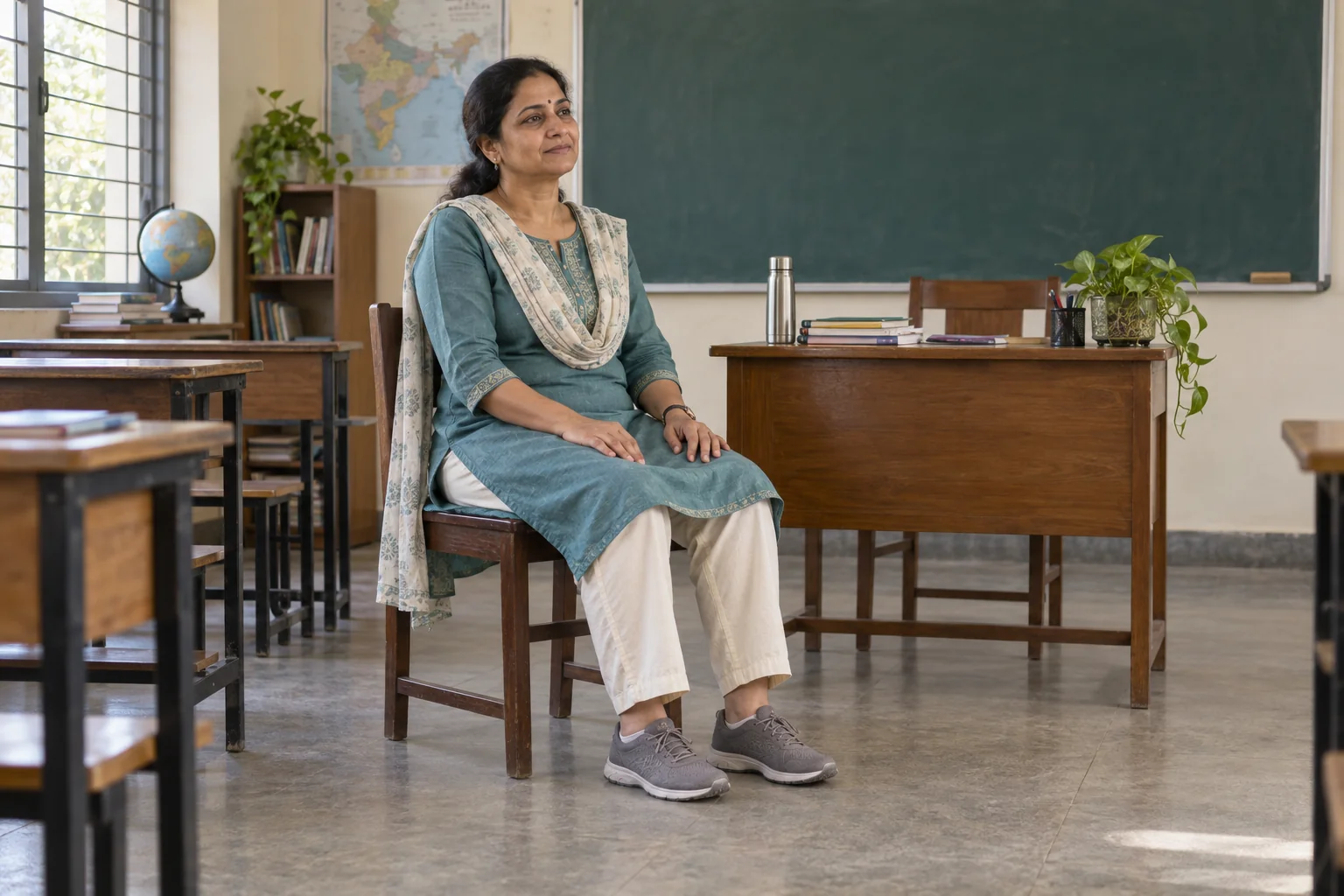
Foot pain can change how you walk, work and live.
Pain is not always “just age” or “just tired feet”. Understanding when it occurs, what triggers it and how it affects movement can guide the next step.
Common reasons people seek help
Heel & arch pain
Often influenced by activity load, footwear, soft-tissue irritation, biomechanics and previous injury.
Ankle & lower-limb symptoms
Foot and ankle mechanics can interact with the knee, hip and overall walking pattern.
Tired, aching feet
Long hours standing, work demands, body load, footwear and conditioning can all contribute.
Balance & ageing
Foot pain, weakness, sensation, footwear and confidence can influence safe mobility.
पैरों का दर्द और चलने में परेशानी
लंबे समय तक एक ही जगह खड़े रहने से पैरों में थकान और दर्द हो सकता है। लेकिन बार-बार होने वाले दर्द को केवल थकान समझकर नज़रअंदाज़ न करें।
- काम के दौरान जहाँ संभव हो, बैठने, खड़े रहने और थोड़ा चलने के बीच बदलाव करें। छोटे आराम के विराम लें।
- अपने काम के अनुसार सही फिट वाले जूते पहनें। उँगलियों के लिए जगह हो और एड़ी अपनी जगह आराम से टिकी रहे।
- काम की जगह में बैठने की सुविधा और सुरक्षित, बिना फिसलन वाला फ़र्श भी ज़रूरी हैं।
- दर्द लगातार रहे, बढ़े, बार-बार लौटे या रोज़ के काम में बाधा डाले तो स्वास्थ्य पेशेवर से जाँच करवाएँ।
- पैर में झनझनाहट या सुन्नपन हो तो भी सलाह लें। डायबिटीज़ होने पर पैरों के दर्द के लिए जल्द जाँच करवाएँ।
तुरंत चिकित्सा सहायता लें: अगर दर्द बहुत तेज़ हो, आप चल न पा रहे हों, चोट के बाद पैर का आकार बदल गया हो, या पैर गर्म और सूजा हुआ हो।
Why do my feet ache after standing?
Long periods on your feet can cause discomfort and fatigue. Teachers, shop workers, healthcare staff and others may spend much of their day standing with few opportunities to change position.
Footwear, flooring and how work is organised can all contribute. Persistent pain deserves attention rather than being accepted as an unavoidable part of the job.
Make your working day easier on your feet
- Change position: Where practical, alternate standing, sitting and moving.
- Plan breaks: Discuss opportunities for seated tasks or short rest breaks at work.
- Review footwear: Check fit, fastening and suitability for your workplace.
- Consider the whole workspace: Flooring and workstation design matter too. A softer mat alone may not solve the problem.
What should I tell a health professional?
A short symptom diary can help you explain the problem. Note the following:
- Where it hurts and whether one or both feet are affected.
- When it started and whether there was an injury.
- Whether it is worse after rest, standing or walking.
- Any swelling, numbness, skin changes or difficulty walking.
- Which activities or shoes make it better or worse.
When to get assessed
Arrange an assessment if pain persists, keeps returning or limits everyday activity. Recurrent swelling, repeated falls, changing foot shape or numbness also deserve professional attention. If you have diabetes, seek advice promptly about new foot problems.